
What to Do When Your Invisalign Doesn’t Fit: A Guide to “Tracking” Issues
It’s the moment every Invisalign patient dreads: you go to pop in a new set of aligners, and they just won’t seat correctly. You notice a small gap between your teeth and the plastic, or the tray feels “bouncy.”
In the orthodontic world, we call this a tracking issue. Because Invisalign relies on a precise fit to move your teeth, a tray that doesn’t fit can slow down your progress. If you’re wondering, “Why doesn’t my Invisalign fit?” or “How long does Invisalign take if I miss a few days?”—don’t worry. Most fit issues can be fixed at home.
Why is my Invisalign tray not seating properly?
There are several reasons why your aligners might feel “off.” Understanding the cause is the first step to getting back on track.
The “New Tray” Tightness: It is normal for a new set of aligners to feel tight for the first 48 hours. If you just switched sets, give it a day of wear to see if they settle.
Lack of Wear Time: If you haven’t been wearing your aligners for the recommended 22 hours a day, your teeth may have shifted back slightly, making the next tray difficult to seat.
Warped Plastic: If you’ve been cleaning your Invisalign aligners with hot water, the plastic may have warped.
Attachments Issues: Sometimes the small tooth-colored “buttons” (attachments) can prevent a tray from clicking in if they aren’t aligned perfectly.
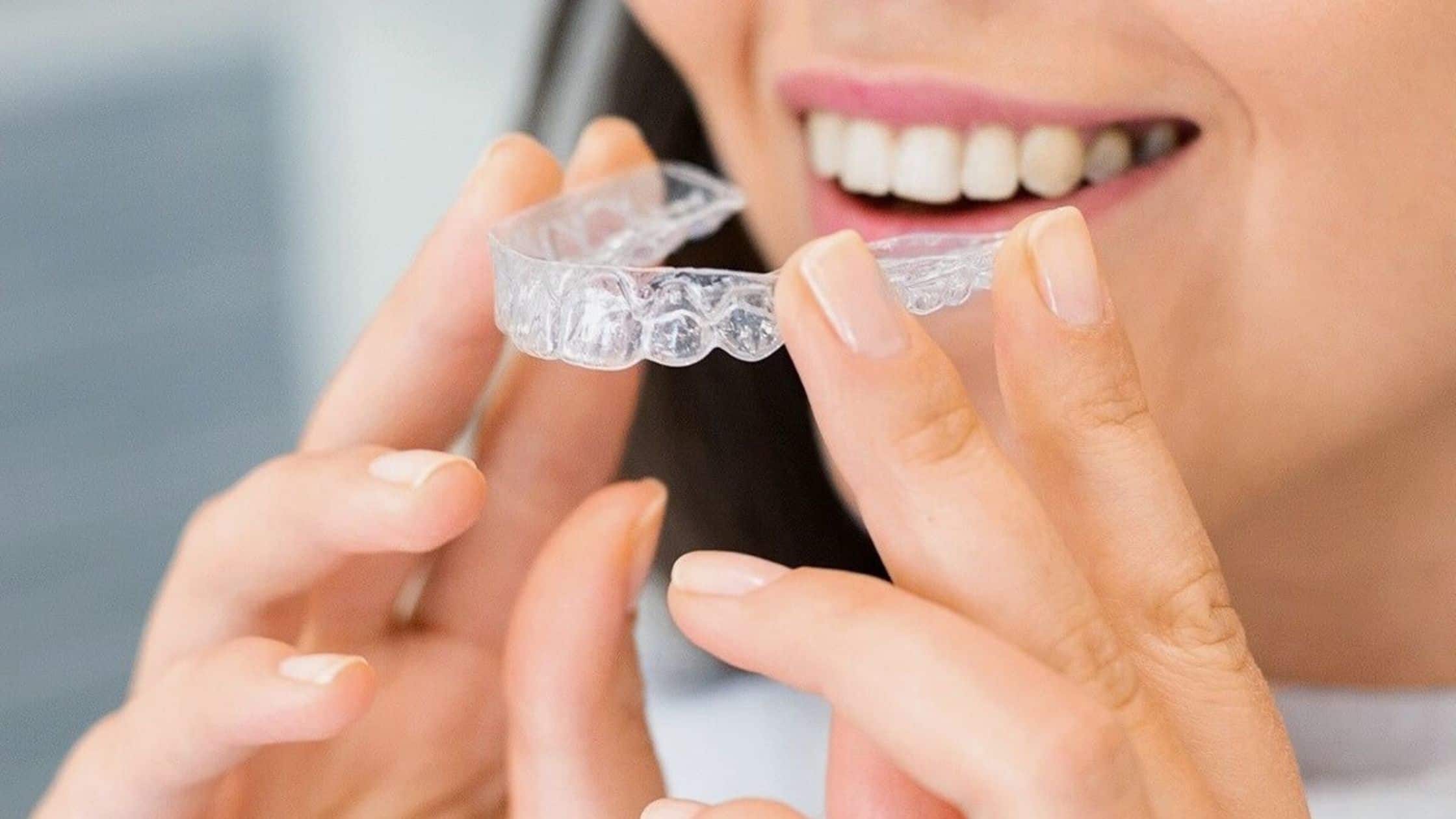
3 Steps to Fix an Ill-Fitting Aligner
1. Use Invisalign “Chewies”
The most common fix for a tray that won’t seat is using “chewies.” These are small, soft cylinders made of plastic-like material. By biting down on them for 5–10 minutes a day, you force the aligner to “seat” fully against the teeth, eliminating air gaps and encouraging the teeth to move into the tray. Note: Some patients ask about chewing sugar-free gum with Invisalign to help movement, but dedicated chewies are much more effective for fit issues.
2. Backstep to Your Previous Tray
If the gap is significant and the tray is causing extreme pain, you may need to wear your previous set for another 3–4 days. This gives your teeth the extra time they need to finish the movement required for the new set.
3. Check for Obstructions
Make sure there is no debris in the tray or on your teeth. If you’ve been drinking coffee or soda with your Invisalign in, sugar or residue could potentially interfere with the fit or cause the attachments to feel “sticky.”
When is an ill-fitting aligner an orthodontic emergency?
While a tight fit is normal, you should call our Richmond or Midlothian office immediately if:
The aligner is cutting into your gums or cheeks.
There is a visible crack or break in the plastic.
You have tried using chewies for 48 hours and the gap is not closing.
Poorly fitting trays can significantly impact how long your Invisalign treatment takes. The sooner we address the tracking issue, the sooner you can get back to crafting your perfect smile.
Expert Invisalign Care in Richmond, VA
Whether you are a busy professional or a parent of a Richmond teen, our team is here to ensure your journey is seamless. If your aligners aren’t fitting correctly, don’t guess—give us a call.
Ready for a check-up? Visit our Richmond Office or Midlothian Office today!