
If your Invisalign aligners feel tight when you start a new tray, do not panic. A snug fit is often a normal part of clear aligner treatment because each new aligner is designed to apply gentle pressure and move your teeth step by step.

At RV Orthodontics, we help teens and adults throughout Richmond and the surrounding area understand what to expect during Invisalign treatment. While mild pressure is common, severe pain or an aligner that will not fit properly may need attention from your orthodontist.
Why Does a New Invisalign Tray Feel Tight?
Each Invisalign tray is made to fit the next planned position of your teeth—not exactly where your teeth are today. When you switch to a new set of clear aligners, the tray may feel snug, difficult to place, or a little uncomfortable at first.
That tight feeling usually means the aligner is applying the controlled pressure needed to guide your teeth into alignment. You may notice:
Pressure or tenderness when biting down
Tightness around one or more teeth
Mild discomfort when removing or reinserting your aligners
A new tray that feels more noticeable than the last one
Many patients notice that their aligners become more comfortable as they wear them consistently and their teeth begin to track with the treatment plan.
How Long Should Invisalign Feel Tight?
For many patients, the tightest feeling occurs during the first day or two after switching to a new aligner. The pressure should gradually become easier to manage as your teeth adjust.
Wear your aligners exactly as directed by your orthodontist. Consistent wear is important because taking aligners out too often can make them harder to reinsert and may interfere with steady tooth movement. RV Orthodontics typically advises Invisalign patients to wear aligners for 20 to 22 hours per day, except for meals, brushing, and flossing.
Your personal schedule may vary, so always follow the instructions provided by your RV Orthodontics team.
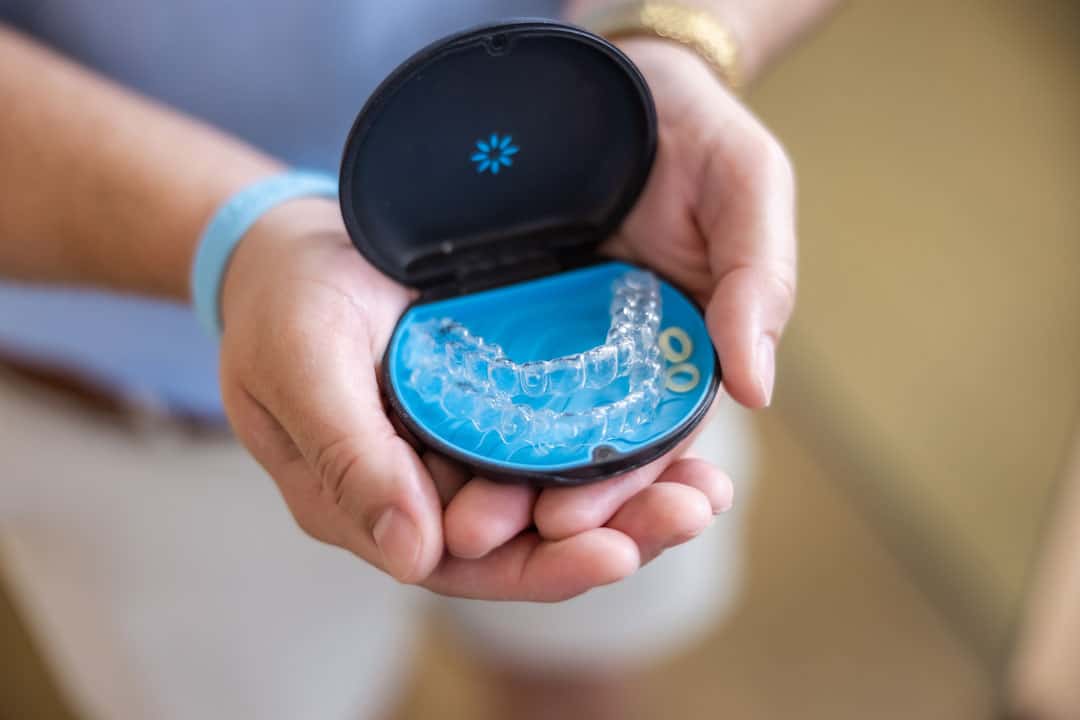
What To Do When Invisalign Is Too Tight
A tight Invisalign tray can be uncomfortable, but there are several simple steps you can take.
Wear your aligners as prescribed. Keeping them in consistently helps your teeth adjust to the new tray.
Seat the aligners carefully. Place the tray over your teeth and use gentle, even pressure with your fingers. If your orthodontist has recommended chewies, use them as instructed to help the aligner sit fully in place.
Switch trays at the time your orthodontist recommends. Some patients find that starting a new aligner in the evening makes the first few hours easier to manage.
Choose softer foods if your teeth feel tender. Temporary sensitivity when chewing can happen after a tray change.
Do not force, bend, trim, or alter your aligners. Changing the aligner yourself can affect its fit and your treatment plan.
When a Tight Aligner May Be a Problem
A snug Invisalign tray is different from an aligner that does not fit correctly. Contact RV Orthodontics for guidance if you notice any of the following:
Severe, sharp, or worsening pain
An aligner that will not seat fully over your teeth
A noticeable gap between the aligner and a tooth that does not improve
A tray that rocks, lifts, or will not stay in place
A cracked, warped, or damaged aligner
Ongoing tightness that does not improve after a few days of consistent wear
An aligner that is causing gum irritation, sores, or bleeding
Do not skip ahead to the next tray or stop treatment on your own. Your orthodontist can check how your teeth are tracking and tell you whether you should continue wearing the current aligner, return to a previous tray, or come in for an evaluation.
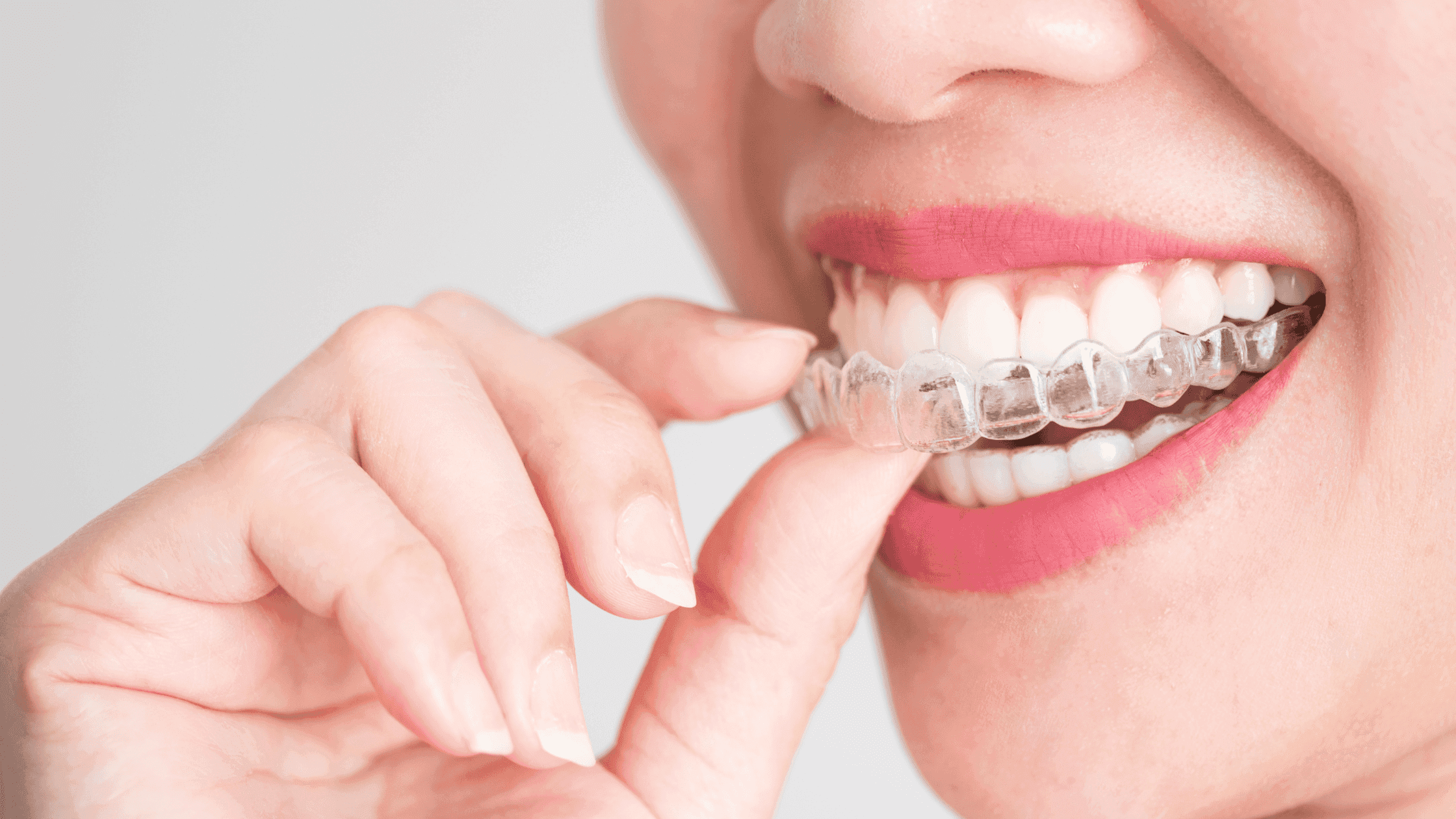
Invisalign Aligners That Do Not Fit Correctly
Sometimes Invisalign aligners feel too tight because they are not tracking as expected. This can happen if aligners have not been worn consistently, a tray was changed too early, or teeth are not moving exactly as planned.
If your aligner is not fitting correctly, the best next step is to contact your orthodontic team. An in-person evaluation allows your orthodontist to look at the fit of the aligner, your attachments, and your overall treatment progress.
If you are new to treatment, you can also learn more about what happens during your first Invisalign appointment and what to expect throughout your Invisalign treatment timeline.
Get Invisalign Help in Richmond, VA
A little pressure from a new Invisalign tray is often normal. However, you should never feel like you have to guess whether pain or poor fit is part of the process.
RV Orthodontics provides personalized Invisalign treatment in Richmond, VA for teens and adults who want a comfortable, discreet way to straighten their teeth. If your Invisalign aligners are too tight, will not fit, or are causing persistent discomfort, our team can help you understand the next step.
Schedule an Invisalign consultation with RV Orthodontics today, or contact our Richmond orthodontic office at (804) 884-9906.
Most Common FAQS
Is it normal for Invisalign to be tight?
Yes. New Invisalign aligners commonly feel snug because they are designed to apply gentle pressure as your teeth move into their next planned positions. Mild pressure should become easier to manage as you wear the tray consistently.
Why does one Invisalign tray hurt more than another?
Some tooth movements require more pressure than others, so one tray may feel more noticeable than the previous set. Mild tenderness can be normal, but sharp pain, a tray that will not fit, or pain that does not improve should be evaluated by your orthodontist.
Should I keep wearing Invisalign if it is too tight?
Usually, consistent wear is important for helping your teeth adjust. However, contact your orthodontist if the aligner will not seat, causes severe pain, feels damaged, or remains unusually tight for several days.
Can I move to my next Invisalign tray if the current one is still tight?
Do not change trays early or skip ahead unless your orthodontist tells you to. Your care team can determine whether the aligner is fitting properly and advise you on the right schedule.